
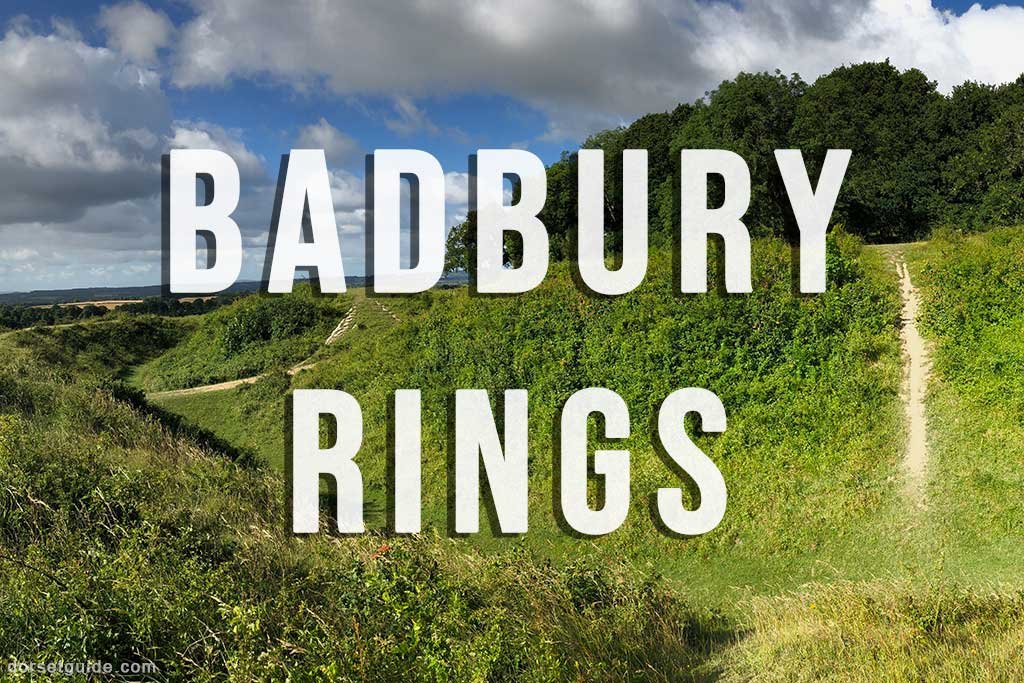
Badbury Rings is one of Dorset’s finest Iron Age hillforts, situated on a prominent hilltop between Wimborne and Blandford Forum. Its three impressive rings of defensive banks and ditches remain clearly visible more than 2,000 years after the fort was occupied.
Standing around 100 metres above sea level, Badbury Rings also offers extensive views across the surrounding Dorset countryside. Today the site is managed by the National Trust and is popular for walking, picnics and wildlife watching.
Entry to Badbury Rings is free, although non-National Trust members need to pay to use the nearby car park.
Location: Near Shapwick, approximately 4 miles northwest of Wimborne
Admission: Free
Parking: Pay-and-display; free for National Trust members
Sat Nav: DT11 9JL although not very accurate
What3Words: ///parting.melts.threaded
Website: https://www.nationaltrust.org.uk/
History of Badbury Rings
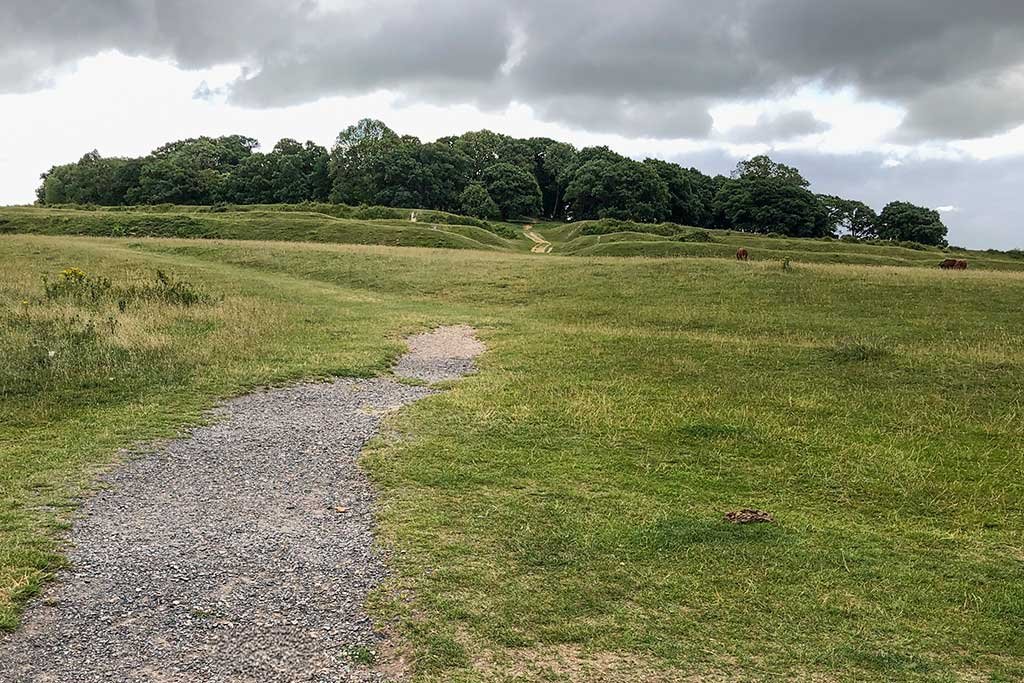
There is evidence of human activity around Badbury Rings dating back to the Bronze Age more than 3,000 years ago, but the site is best known for the Iron Age hillfort whose earthworks dominate the hill today.
The earliest of the fort’s three defensive rings is thought to date from around 500–600 BC. Over time the defences were expanded, creating the formidable system of banks and ditches that can still be explored.
Among the people associated with Badbury Rings were the Durotriges, a Celtic tribe who occupied parts of what is now Dorset and the surrounding area before the Roman conquest of Britain began in AD 43.
Badbury’s strategic importance continued into the Roman period. Several Roman roads passed close to the hillfort, connecting settlements across southern Britain, and traces of this ancient network remain within the surrounding landscape.
Badbury Rings and much of the surrounding countryside later became part of the Bankes family’s Kingston Lacy estate. In 1982, the estate, including Badbury Rings, was given to the National Trust.
Exploring Badbury Rings
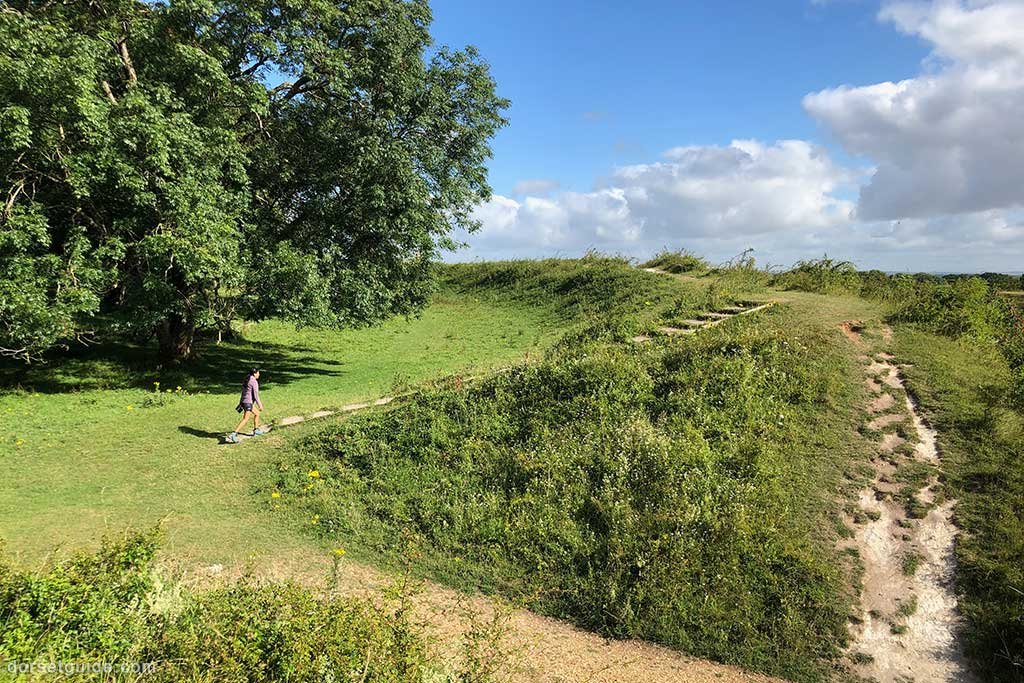
The most impressive features of Badbury Rings are the three concentric banks and ditches encircling the summit.
Walking around the earthworks is the best way to appreciate their scale. Thousands of years of erosion have softened their original appearance, but the steep banks remain remarkably substantial and provide a good impression of how formidable the hillfort’s defences would once have been.
The elevated position also provides wide views across the surrounding countryside. You don’t need to undertake a long walk to enjoy the area – a circuit of the hillfort itself makes an enjoyable short visit and is suitable for families, although the ground is uneven and steep in places.
The grassy interior is also a pleasant place for a picnic in good weather.
Walking at Badbury Rings
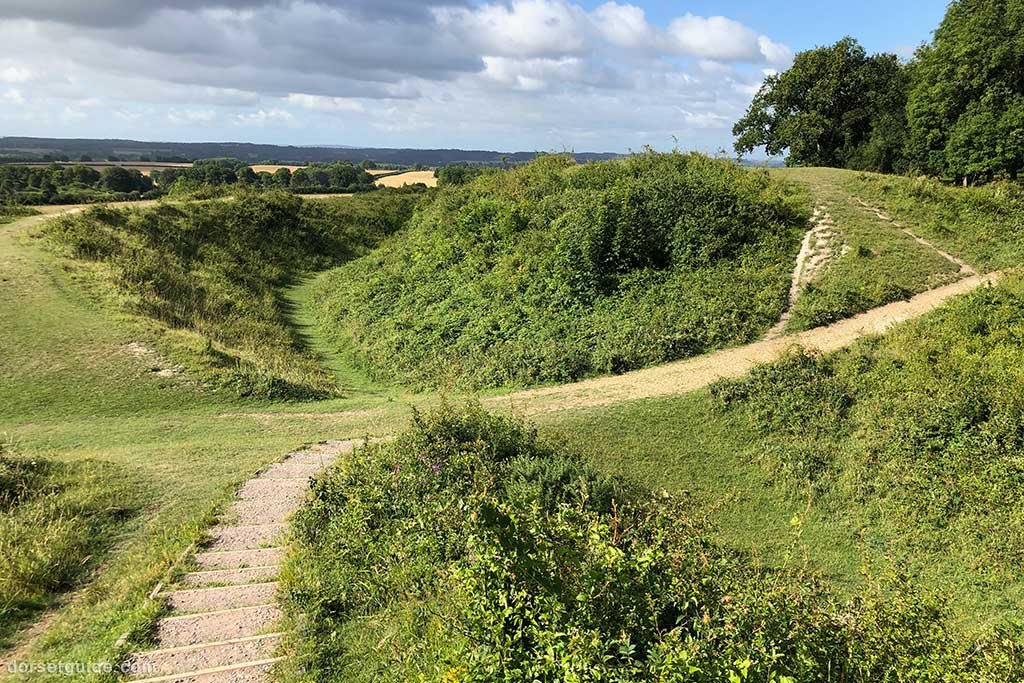
Badbury Rings forms part of the wider Kingston Lacy estate, providing opportunities to extend a visit into the surrounding countryside.
Paths lead through farmland, woodland and historic landscapes, with longer walks connecting Badbury with other parts of the estate.
Nearby High Wood is particularly attractive. An avenue of mature beech trees provides a striking approach through the landscape, while archaeological discoveries show that people were present in this area long before the Iron Age hillfort was constructed.
A Palaeolithic flint tool fragment discovered at High Wood has been estimated to be between 12,000 and 40,000 years old and is the oldest recorded object in the Kingston Lacy collection.
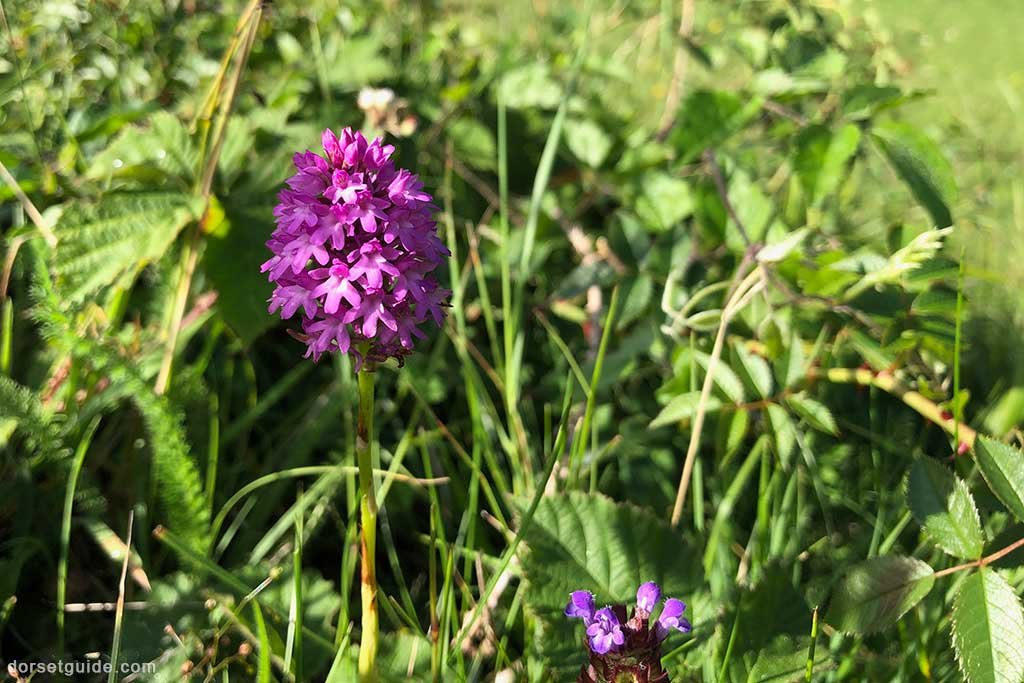
Wildlife at Badbury Rings
The grassland, hedgerows and woodland surrounding the hill fort provide valuable habitats for wildlife.
Orchids can be found during early summer, while spring brings bluebells and blackthorn blossom to the surrounding countryside. Later in the year, berries appear among the hedgerows and shrubs.
The site is particularly important for ground-nesting birds including skylarks. Dogs should therefore be kept on leads between late February and August to avoid disturbing breeding birds.
Sheep and cattle are also regularly used to graze the site as part of its conservation management. Dogs should always be kept under close control around livestock.
Stargazing at Badbury Rings
Badbury Rings is also an excellent place to experience Dorset’s night sky.
Its rural location and relatively low levels of light pollution mean that large numbers of stars can be visible on a clear night.
Remember that the National Trust car park is only open from dawn until dusk, so anyone planning to visit the wider area after dark should check where parking is legally permitted before travelling.
Badbury Rings Car Park
The National Trust car park is reached from the B3082 between Wimborne and Blandford Forum. Follow the brown tourist signs and take the turning opposite the road towards Shapwick.
The car park is open from dawn until dusk.
Parking charges:
- £1.60 for one hour
- £3.20 for up to four hours
- £6.40 all day
- Free for National Trust members – scan your membership card for a ticket
The National Trust recommends using What3Words ///parting.melts.threaded for navigation rather than using a postcode.
There are no toilets at Badbury Rings, and visitors should be prepared for undulating and uneven ground with some steep sections.
Places to Visit Near Badbury Rings
Badbury Rings can easily be combined with Kingston Lacy, the National Trust country house and estate a few miles away. The house, gardens and parkland make Kingston Lacy one of the major visitor attractions in east Dorset.
The historic market town of Wimborne is approximately four miles away, with attractions including Wimborne Minster, the Museum of East Dorset and Wimborne Model Town.
For anyone interested in Dorset’s ancient history, Badbury Rings is also one of several impressive hillforts surviving across the county, alongside Maiden Castle, Hambledon Hill, Hod Hill, Eggardon Hill and Pilsdon Pen.
Related Pages
- Wimborne Minster Church
- Wimborne Folk Festival
- Wimborne Walks
- Deans Court House
- Kingston Lacy House and Gardens (NT)
- White Mill
- Knowlton Church and Earthworks
- Cranborne Chase
- Blandford Forum