
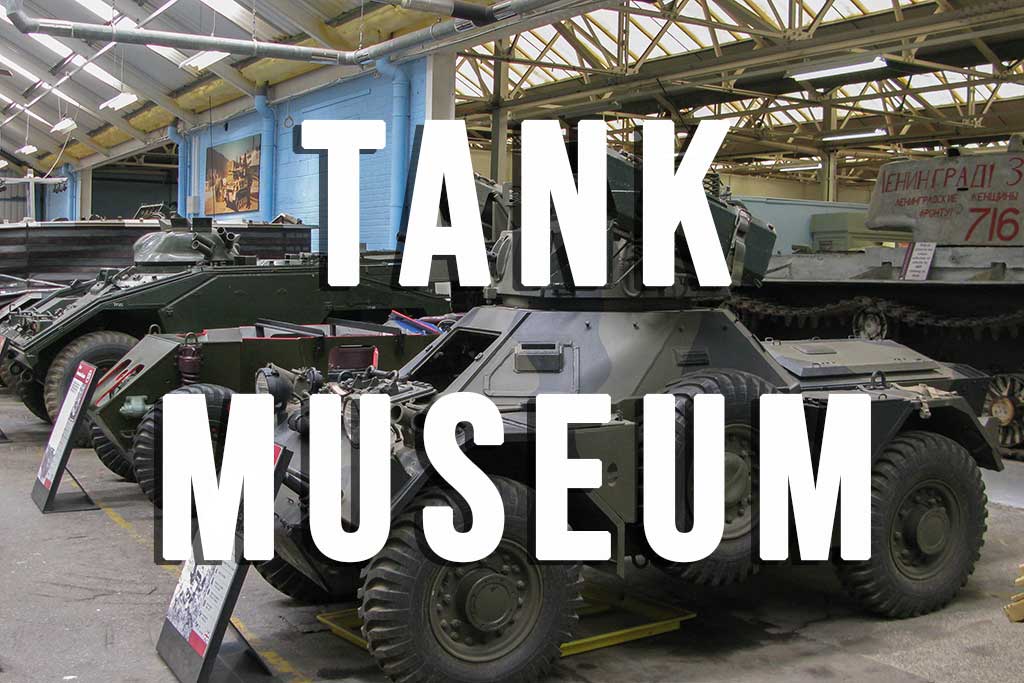
The Tank Museum at Bovington is one of Dorset’s largest indoor attractions and is home to one of the world’s most important collections of tanks and armoured fighting vehicles. The collection contains around 300 vehicles from more than 25 countries, covering the development of the tank from the First World War to the present day.
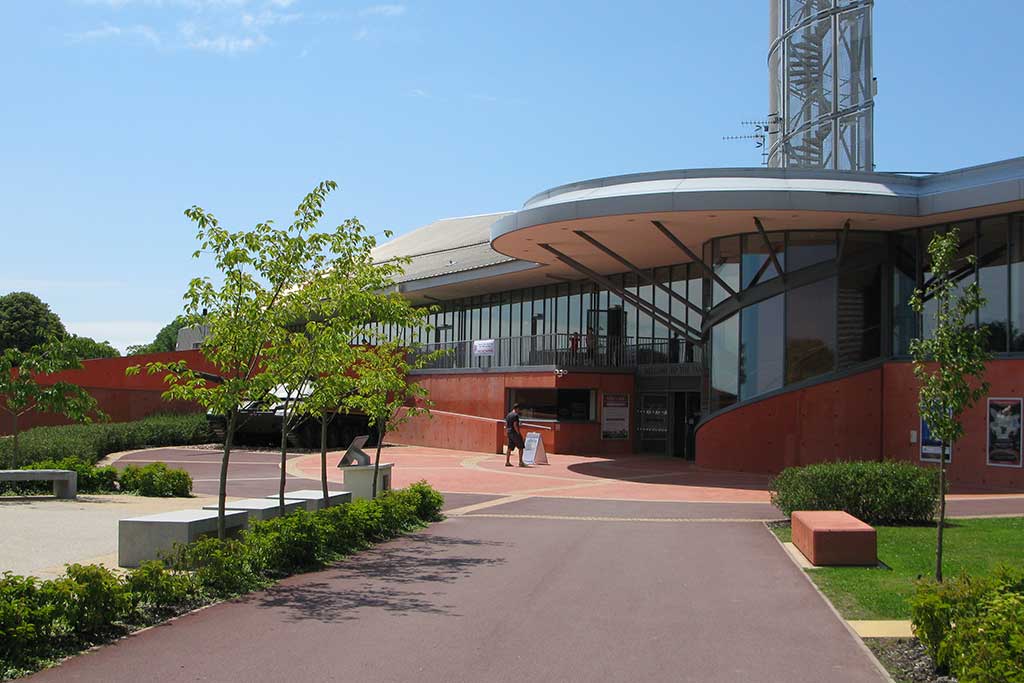
Spread across six large halls, the museum combines historic vehicles with reconstructed scenes, personal stories and interactive displays. During school holidays there are also opportunities to see tanks being driven in the outdoor arena.
Address: The Tank Museum, Bovington, Dorset, BH20 6JG (Google map)
Parking: Free
Recommended visit: Allow around 4–5 hours
Website: https://tankmuseum.org

Tank Museum Opening Hours
The Tank Museum is normally open daily: 10am–5pm
The museum is closed on the following dates in 2026:
4, 12, 18 & 27 November
24, 25 & 26 December
Tank Museum Ticket Prices 2026
Booking online in advance currently provides a saving compared with buying tickets on arrival.
| Ticket | Online | On the door |
|---|---|---|
| Adult (16+) | £19.60 | £24.50 |
| Child (3–15) | £4.80 | £6.00 |
| Child under 3 | Free | Free |
| Concession | On the door | £12.25 |
Standard admission includes a free annual pass, allowing you to return to the museum for 12 months. Some major events, including TANKFEST, are excluded.
Check the museum website for current concessionary and complimentary admission arrangements.
What to See at The Tank Museum
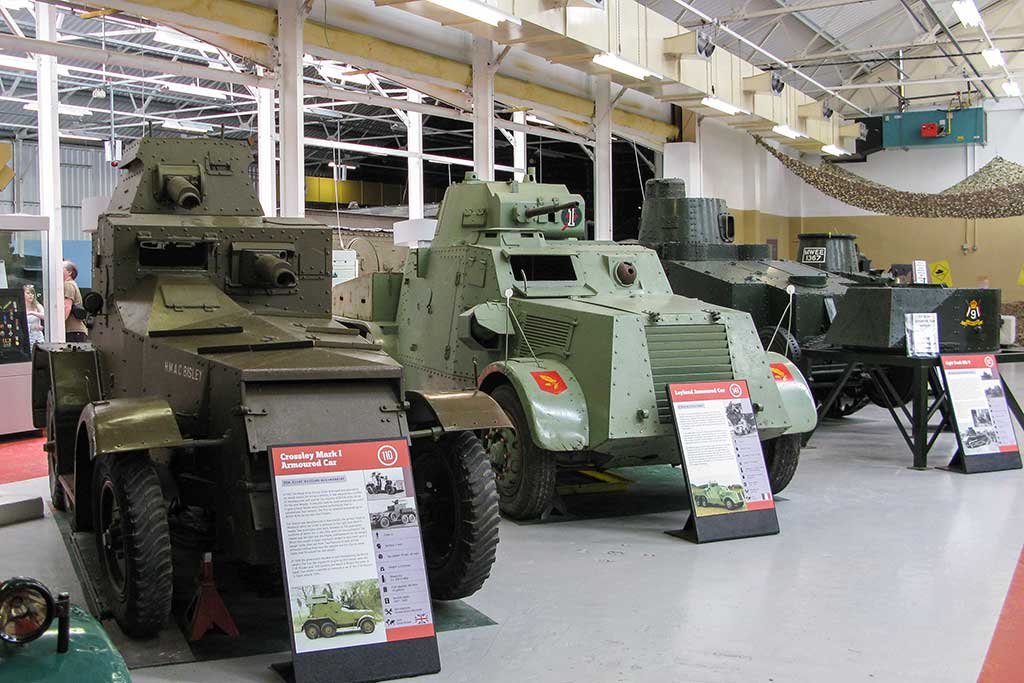
The collection includes vehicles from the First World War, Second World War, Cold War and more recent conflicts. Exhibitions explain why tanks were developed, how their design changed and what life was like for the people who operated them.
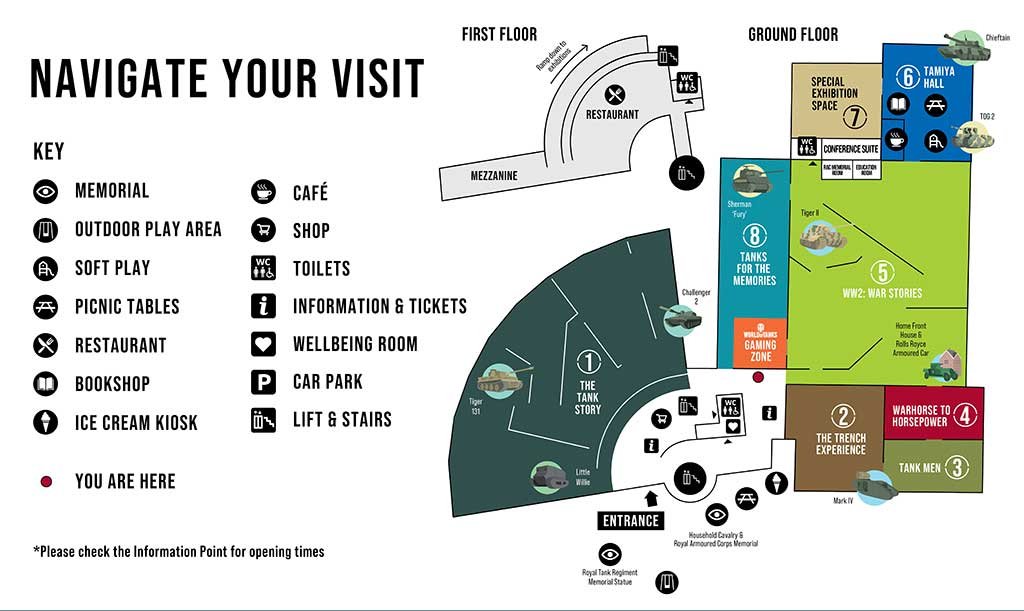
One of the most famous exhibits is Tiger 131, captured by British forces in Tunisia in 1943. It is the only operational German Tiger I tank in the world and is occasionally driven during special Tiger Day events.
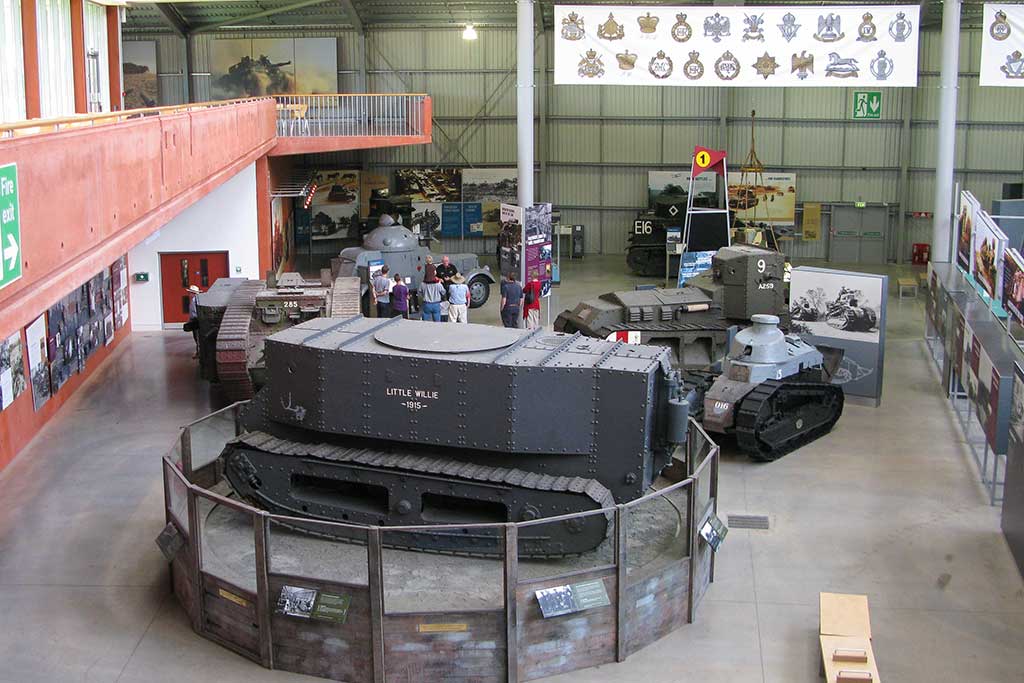
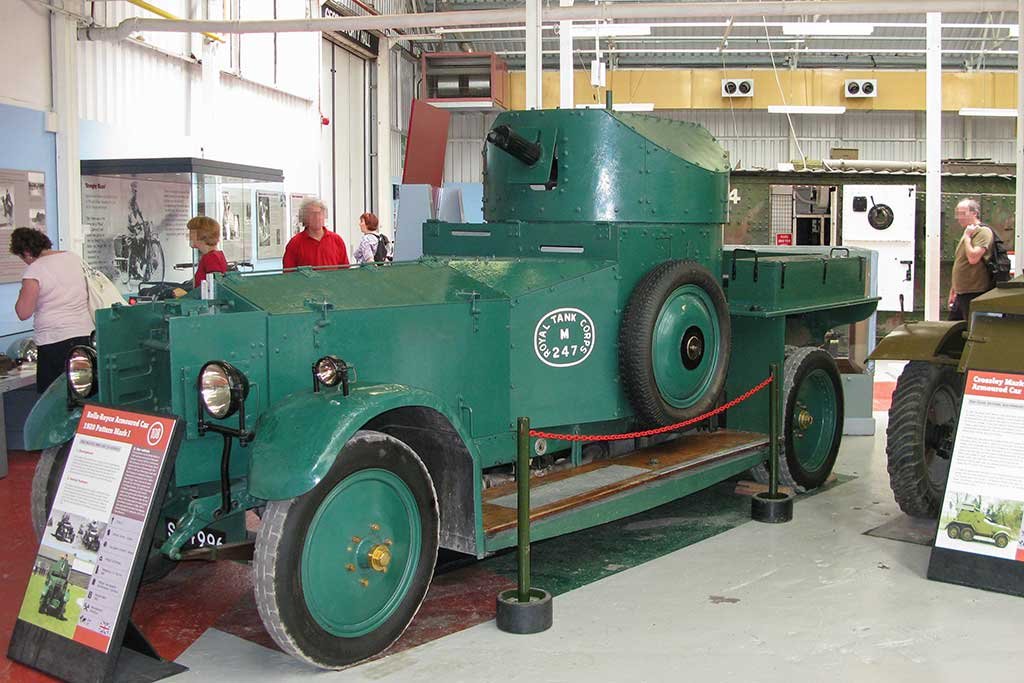
Other highlights include Little Willie, completed in 1915 and regarded as the world’s first completed tank prototype, and a British Mark I from 1916, the world’s oldest surviving combat tank.
The collection also includes Sherman, Centurion, Chieftain and Challenger tanks. Film enthusiasts may recognise the museum’s Sherman ‘Fury’, which was modified and used during the filming of the 2014 film Fury.
Exhibitions and Galleries
The main Tank Story exhibition follows the development of the tank from its origins during the First World War through more than a century of armoured warfare.
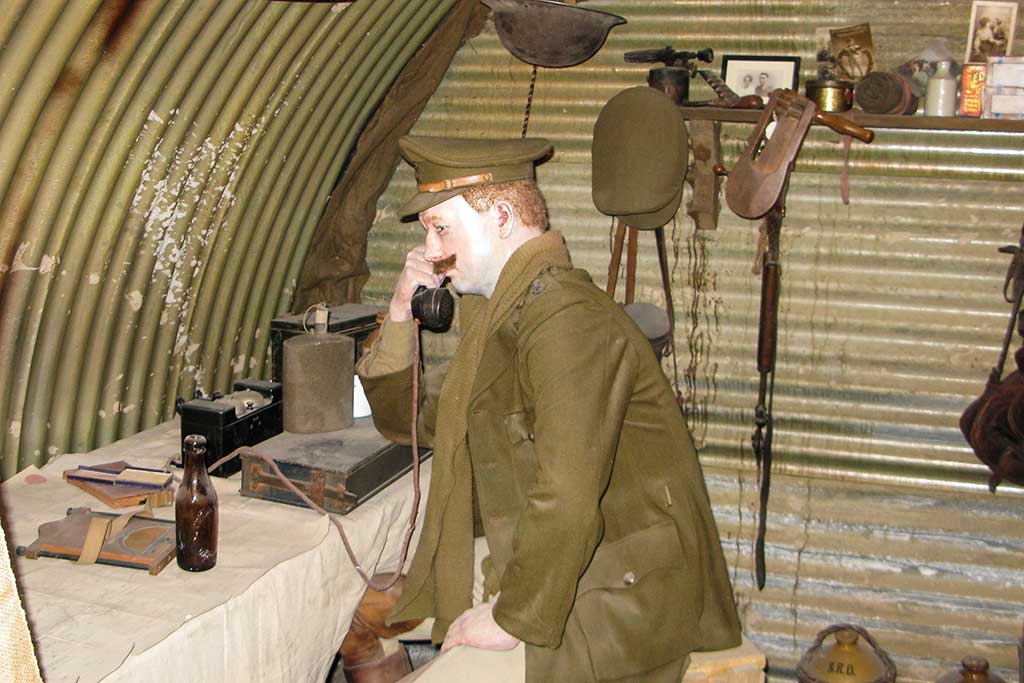
The Trench Experience recreates part of the Western Front in 1916 and helps explain the conditions that led to the invention of the tank, while Tank Men tells the stories of soldiers involved in the earliest years of tank warfare.
The WW2: War Stories exhibition explores the experiences of Royal Armoured Corps crews during the Second World War, with displays covering campaigns including North Africa and Normandy.
Ukraine: Armoured Warfare in the Modern World looks at the continuing war in Ukraine and the changing nature of modern armoured warfare, including the use of tanks, drones and other technologies on the battlefield.

Other exhibitions cover the transition from horse cavalry to mechanised warfare, the Cold War and the tank’s place in popular culture through films, toys, model making and video games.
More than 100 additional vehicles are housed in the Vehicle Conservation Centre, including prototypes and vehicles awaiting restoration. A viewing balcony is open to visitors at certain times.

Tanks in Action and Special Events
During selected school holidays, Tanks in Action displays take place in the outdoor Kuwait Arena. These provide an opportunity to see historic armoured vehicles moving, accompanied by commentary and demonstrations.
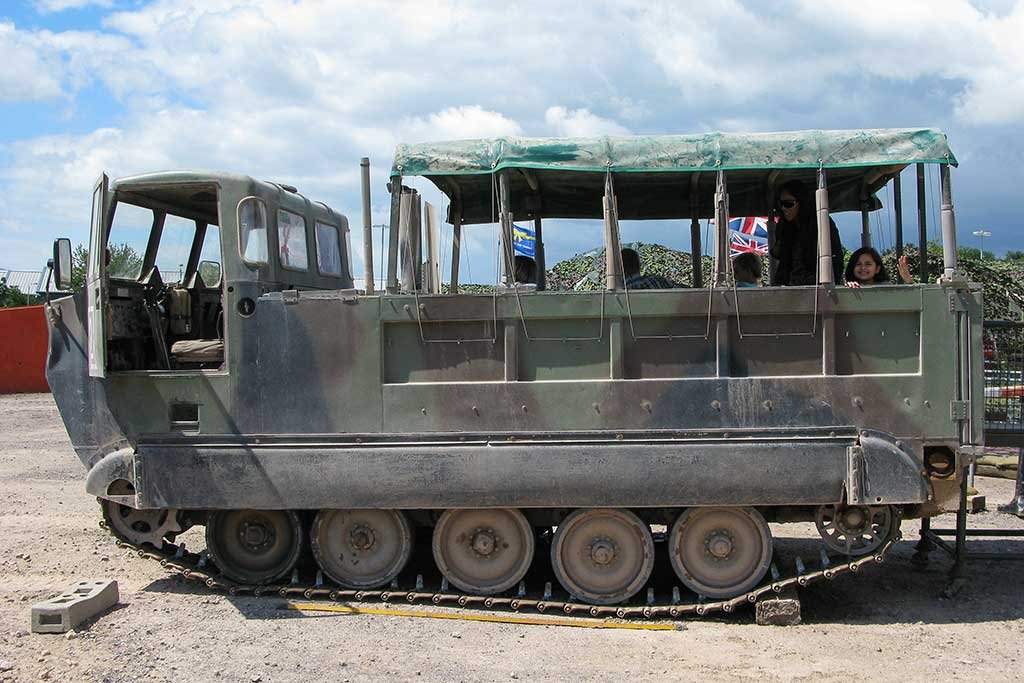
Tracked vehicle rides in an M548 are also available on selected dates for an additional charge.
The museum’s biggest annual event is TANKFEST, normally held in June, when historic military vehicles from the museum and elsewhere are demonstrated in the arena.
Tiger Day, held twice a year, is one of the rare opportunities to see Tiger 131 being driven alongside other historic vehicles.
Displays, rides and special events don’t take place every day, so check the museum website when planning your visit.

How Long Do You Need at The Tank Museum?
Allow around 4–5 hours to explore the main exhibitions. Military history enthusiasts could easily spend most of the day here, particularly if a Tanks in Action display is taking place or the Vehicle Conservation Centre is open.
Most of the museum is indoors, making it one of Dorset’s better large attractions for a wet-weather day.
Facilities and Accessibility
Facilities include a café, shop, toilets and indoor and outdoor picnic areas. For younger visitors there are interactive activities, an indoor tank-themed soft play area and an outdoor playground.
The main museum is accessible, with level or step-free access around the exhibitions, accessible toilets and wheelchairs available to borrow. Assistance dogs are permitted.

Getting to The Tank Museum
The Tank Museum is at Bovington, close to Wool and around 6 miles from Wareham.
Sat Nav postcode: BH20 6JG
There is a large free car park at the museum, including parking for coaches and motorhomes.
The nearest railway station is Wool, approximately 1.5 miles away on the railway line between London Waterloo and Weymouth.
During the summer, First Bus service 55 connects Wool Railway Station with The Tank Museum, as well as Lulworth Cove, Durdle Door and Monkey World. The service normally operates with an open-top bus, making it a useful option for visiting the museum without a car. Check the current timetable before travelling as the service is seasonal.
Nearby attractions include Monkey World Ape Rescue Centre, which is only a short drive away, while Lulworth Cove and Durdle Door are also within easy reach.
Tank Museum Virtual Tour
Parts of The Tank Museum can be explored online using Google Street View, allowing you to look around some of the vehicles and displays before your visit.
On a desktop or laptop this can be accessed through Google Maps. On a mobile device you may find Google Maps or the Google Earth app easier to use.
Information and prices checked/updated 10 August 2026. Opening times, admission prices, exhibitions and activities can change, so check The Tank Museum website before travelling.
Related Pages