
Dorset has one of the finest collections of Iron Age hillforts in Britain, with ancient earthworks occupying prominent hilltops across the county. Built and developed during the centuries before the Roman conquest, many survive today as enormous banks and ditches overlooking the surrounding countryside.
The best known is Maiden Castle, one of the largest and most impressive Iron Age hillforts in Europe, but it is far from the only one worth visiting. Hambledon Hill, Hod Hill, Badbury Rings, Eggardon Hill and Pilsdon Pen all combine fascinating archaeology with excellent walking and far-reaching views.
Most of Dorset’s hillforts are free to explore and have few visitor facilities. Their appeal lies in walking around the surviving ramparts and experiencing landscapes that have been occupied and shaped by people for thousands of years.
Best Iron Age Hillforts in Dorset
Maiden Castle
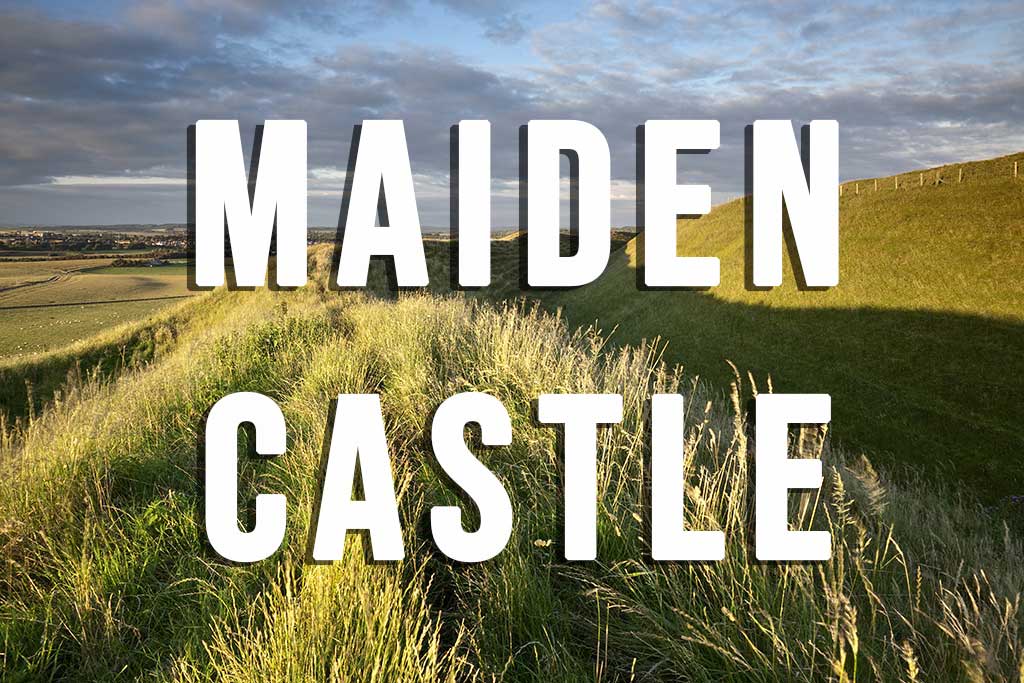
Situated just outside Dorchester, Maiden Castle is Dorset’s most famous hillfort and one of the largest Iron Age fortified sites in Britain.
Its enormous multiple ramparts and deep ditches enclose an area of around 47 acres, although the history of the hill stretches back thousands of years before the construction of the Iron Age fort.
Maiden Castle developed over several phases, becoming an important settlement during the Iron Age. The complex entrances and massive defensive earthworks visible today demonstrate the considerable effort invested in protecting and controlling access to the site.
Following the Roman conquest, occupation of the hillfort declined and a Romano-British temple was later constructed within the eastern part of the site.
Today you can walk freely around the interior and ramparts. Its exposed position also provides extensive views across the countryside surrounding Dorchester.
Location: Near Dorchester
Admission: Free
Hambledon Hill
Hambledon Hill, near Child Okeford, is one of Dorset’s most spectacular hillforts and one of the best places in the county to combine archaeology with a countryside walk.
The steep-sided chalk hill rises prominently above the Blackmore Vale and contains substantial Iron Age ramparts around its summit. However, its archaeological history stretches much further back, with evidence of a Neolithic causewayed enclosure constructed thousands of years before the hillfort.
Paths climb onto the hill from the surrounding countryside and continue along its ridges and ramparts. From the summit there are superb panoramic views across rural Dorset.
Hambledon Hill is also an important chalk grassland nature reserve, particularly noted for its wildflowers and butterflies.
Location: Near Child Okeford
Admission: Free
Hod Hill
Immediately southeast of Hambledon Hill stands Hod Hill, another impressive Iron Age hillfort overlooking the River Stour.
Its large rectangular enclosure is surrounded by substantial ramparts and ditches. Following the Roman invasion of Britain, a Roman fort was constructed within part of the earlier Iron Age enclosure, making Hod Hill particularly interesting for anyone interested in both Iron Age and Roman history.
The climb to the summit is rewarded with extensive views over the Stour Valley and surrounding countryside.
Hambledon Hill and Hod Hill are close enough to be incorporated into a longer walk, making this one of Dorset’s most rewarding areas for exploring prehistoric landscapes on foot.
Location: Near Stourpaine and Child Okeford
Admission: Free
Badbury Rings
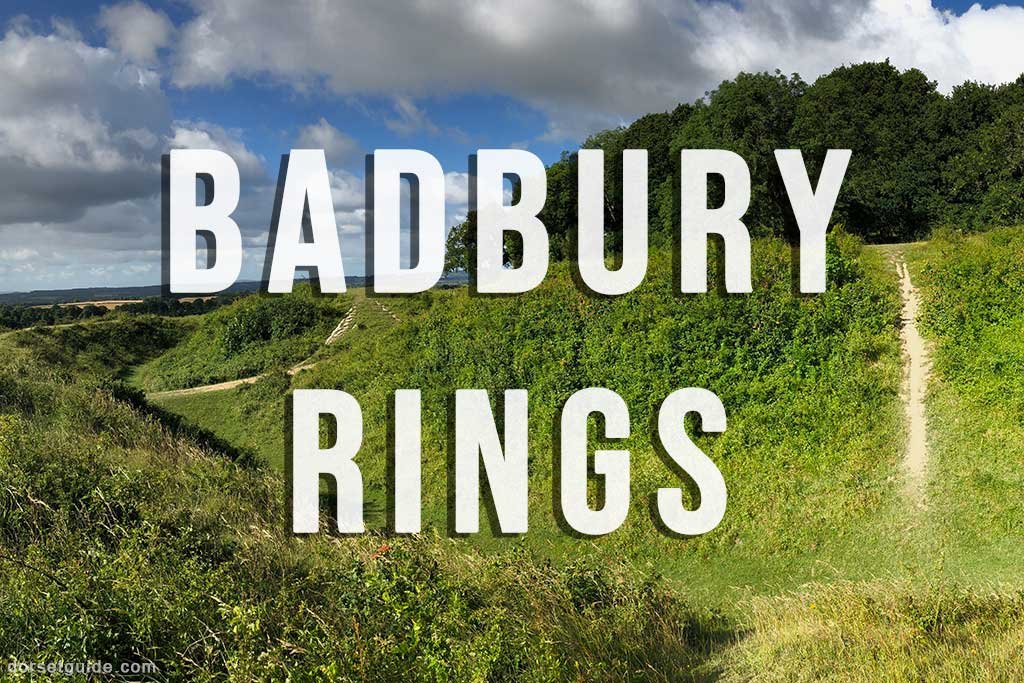
A few miles northwest of Wimborne, Badbury Rings is distinguished by three concentric rings of banks and ditches surrounding its hilltop.
The fort developed during the Iron Age, although archaeological evidence shows that people were using the surrounding landscape long before the defensive earthworks were constructed.
Badbury Rings later became part of the Kingston Lacy estate and is now cared for by the National Trust.
Paths allow visitors to explore the ramparts and interior, while longer walks extend into the surrounding estate countryside. Nearby Kingston Lacy makes an excellent addition to a visit.
Location: Near Shapwick and Wimborne
Admission: Free; parking charges apply
Eggardon Hill
Rising above the countryside of west Dorset, Eggardon Hill is an impressive Iron Age hillfort occupying a commanding position around 800 feet above sea level.
Its steep natural slopes were strengthened with substantial banks and ditches, sections of which remain particularly impressive today.
The elevated position provides outstanding views across the Dorset countryside and towards the coast on a clear day. Several public footpaths cross the surrounding landscape, making Eggardon Hill a particularly attractive destination for walkers.
There are few facilities, which helps preserve the wild and relatively undeveloped character of the site.
Location: Near Powerstock and Askerswell
Admission: Free
Pilsdon Pen
At approximately 277 metres above sea level, Pilsdon Pen is one of the highest points in Dorset and provides superb views across the Marshwood Vale and surrounding countryside.
The summit is enclosed by the remains of an Iron Age hillfort, with banks and ditches still clearly visible around parts of the hilltop.
Like several Dorset hillforts, the site has evidence of human activity stretching back beyond the Iron Age. Its prominent location would have provided extensive views over the surrounding landscape.
Today Pilsdon Pen is particularly rewarding for walkers. The climb to the summit is relatively short but can be steep, and the exposed hilltop provides an excellent viewpoint on a clear day.
Location: Near Pilsdon and Broadwindsor
Admission: Free
Walking Dorset’s Hillforts
Walking is one of the best ways to appreciate Dorset’s hillforts. Their elevated positions were important to the people who constructed them, and approaching on foot helps reveal how these sites relate to the valleys, rivers and surrounding countryside.
Hambledon Hill and Hod Hill make an especially good combination, with longer walking routes allowing both hillforts to be visited in the same outing.
Badbury Rings can be incorporated into walks across the Kingston Lacy estate, while Eggardon Hill and Pilsdon Pen provide excellent walking in the quieter countryside of west Dorset.
Maiden Castle is one of the easiest sites to explore independently, with paths leading directly from the car park onto the enormous earthworks.
Conditions can be exposed on the higher hills, and paths may become muddy or slippery after rain. There may also be livestock grazing on or around several sites, so dogs should be kept under close control and on leads where requested.
Visiting Dorset’s Iron Age Hillforts
Most of Dorset’s hillforts are open countryside rather than conventional visitor attractions. There may be no visitor centre, café or toilets, and at some locations parking is limited.
This is also part of their appeal. Visitors can walk through ancient earthworks largely unchanged by modern development and enjoy some of the best viewpoints in the Dorset countryside.
The earthworks are protected archaeological sites, so visitors should keep to established paths where requested and avoid causing damage to banks and ditches.
For anyone interested in Dorset’s prehistoric past, Maiden Castle is the essential starting point. Hambledon Hill and Hod Hill provide perhaps the best combination of history and walking, while Badbury Rings is particularly convenient for visitors staying around Wimborne and east Dorset. Eggardon Hill and Pilsdon Pen offer a quieter experience and some of the finest hilltop views in the west of the county.